Get Invasive Plant Removal in Greenwich, CT
Invasive plant removal services for Greenwich, CT help property owners eliminate unwanted species like Japanese knotweed and bittersweet to restore landscape health and safety.
Invasive plant removal is an important step in maintaining the health and appearance of residential and commercial properties in Greenwich, CT. Property owners may consider this work to prevent invasive species from spreading, which can lead to the loss of native plants, reduced curb appeal, and potential damage to landscapes. Exploring options for invasive plant removal can help ensure that a property remains well-maintained and visually appealing, supporting overall landscape management goals.
For those interested in managing invasive species effectively, connecting with experienced local contractors can provide valuable insights and tailored solutions. Comparing the services offered by different providers allows property owners to find the right approach for their specific needs. Continuing to explore available options can help in planning a project that preserves the integrity of the landscape while addressing invasive plant challenges.
- Japanese Knotweed Removal - needed when invasive knotweed threatens to overtake garden borders or property foundations.
- Purple Loosestrife Control - required if this aggressive plant is spreading through wetlands or pond edges in residential neighborhoods.
- Hedge Parsley Eradication - necessary when this invasive species begins to encroach on natural or landscaped areas around homes.
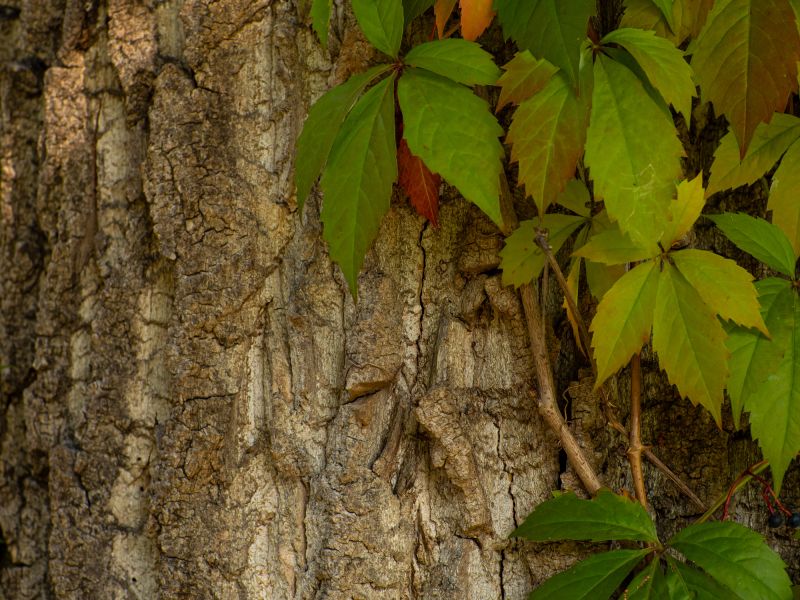
- Bittersweet Vine Removal - sought after when this vine starts to smother trees, shrubs, or structures in local yards.
- Japanese Barberry Clearing - important if this shrub is spreading into wooded areas or along property lines in suburban communities.
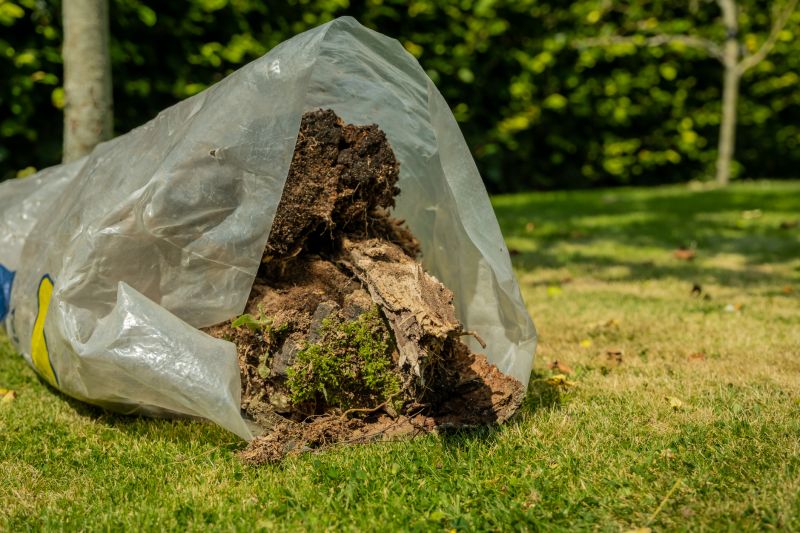
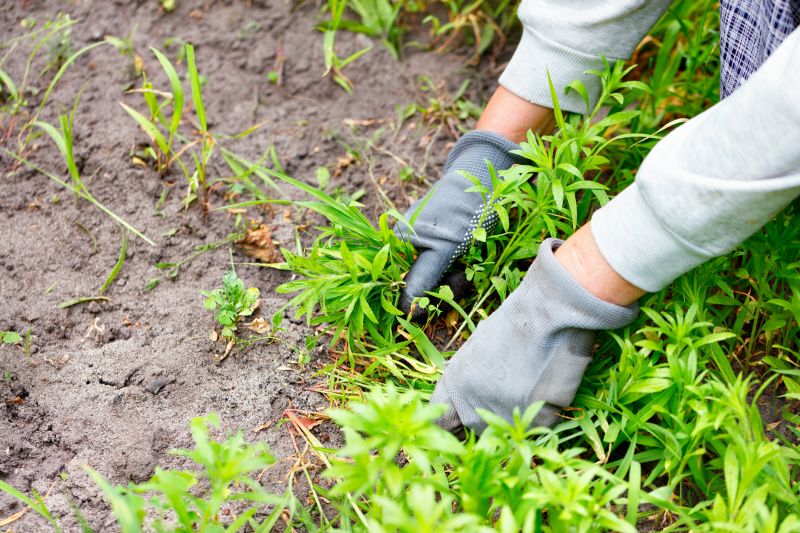
Invasive plant removal services involve the careful identification and elimination of non-native plants that have taken hold in a property’s landscape. These plants often grow aggressively, outcompeting native species and disrupting the natural balance of the environment. Professional contractors use specialized techniques to safely remove invasive species without damaging surrounding plants or soil. This process may include hand pulling, cutting, or the application of targeted treatments to eradicate persistent plants and prevent regrowth, helping to restore the health and appearance of the landscape.
Many property owners turn to invasive plant removal to solve issues related to overgrowth and reduced curb appeal. Invasive plants such as Japanese knotweed, kudzu, or certain types of ivy can quickly take over garden beds, lawns, or wooded areas, making outdoor spaces look unruly and neglected. These plants can also cause damage to structures or interfere with existing landscaping features. Removing invasive species helps improve the visual appeal of a property, promotes healthier native plant growth, and reduces the risk of pests or damage caused by aggressive plant roots.
Invasive plant removal services are often needed on residential properties, especially those with large yards, gardens, or wooded areas. Homeowners who notice rapid plant growth, unusual plant spread, or areas where native plants seem to be declining may consider professional removal. These services are also useful for properties near natural preserves or parks, where invasive species can easily spread from neighboring lands. Whether managing a small yard or a larger estate, property owners seeking to maintain a healthy, attractive landscape often find invasive plant removal to be an effective solution.
Property types that commonly use invasive plant removal services include single-family homes, historic estates, and community gardens. These spaces benefit from professional help to control invasive species that threaten native flora and disrupt the landscape’s natural harmony. Commercial properties with landscaped grounds or outdoor recreational areas may also require invasive plant removal to ensure their outdoor environments remain safe and visually appealing. Contacting local contractors can provide tailored solutions to keep outdoor spaces healthy, attractive, and free from invasive plant problems.
The overview below groups typical Invasive Plant Removal projects into broad ranges so you can see how smaller, mid-sized, and larger jobs often compare in Greenwich, CT.
In many markets, a large share of routine jobs stays in the lower and middle ranges, while only a smaller percentage of projects moves into the highest bands when the work is more complex or site conditions are harder than average.
Smaller Jobs - For routine invasive plant removal on small properties or limited areas, local contractors often charge between $250 and $600. Many projects fall within this range, especially for straightforward jobs that require minimal equipment and labor.
Medium-Scale Projects - Larger properties or areas with moderate invasive plant growth typically cost between $600 and $2,000. These jobs may involve more extensive labor, equipment, and multiple visits for thorough removal.
Large or Complex Jobs - Projects involving extensive invasive plant infestations across large landscapes can range from $2,000 to $5,000 or more. Such projects are less common and often require specialized techniques and multiple treatment sessions.
Full Site Removal or Replanting - Complete removal efforts that include site restoration or replanting can exceed $5,000, depending on the scope and complexity. These comprehensive services are typically reserved for high-priority or heavily infested sites handled by experienced local service providers.
Actual totals will depend on details like access to the work area, the scope of the project, and the materials selected, so use these as general starting points rather than exact figures.
Landscape Restoration Projects - these involve removing invasive plants to restore native vegetation and improve overall landscape health, requiring similar planning and removal skills.
Garden Cleanup Services - professionals clearing overgrown and unwanted plants in gardens often use comparable tools and techniques as invasive plant removal.
Tree and Shrub Removal - removing unwanted or hazardous trees and shrubs shares planning, safety considerations, and equipment with invasive plant eradication.
Weed Control Services - targeting persistent weeds involves identifying invasive species and applying removal methods similar to invasive plant management.
Erosion Control Projects - stabilizing soil and managing plant growth to prevent erosion often requires invasive species removal as a foundational step.
Site Clearing Services - preparing land for development or landscaping involves extensive removal of unwanted vegetation, including invasive plants, with similar techniques.
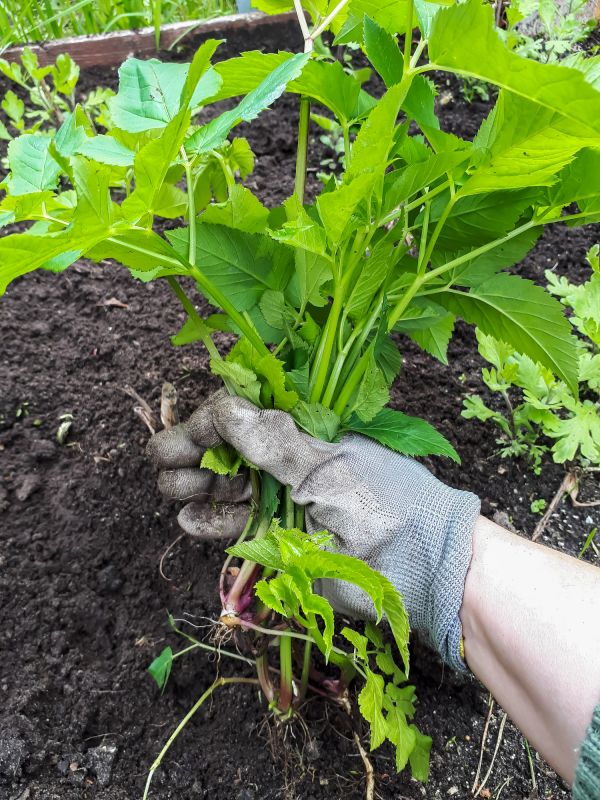
When comparing service providers for invasive plant removal, it’s important to consider their experience with similar projects in the Greenwich, CT area. Homeowners should inquire about how long a contractor has been working on invasive plant removal and whether they have handled jobs comparable in size and scope. A contractor’s familiarity with local plant species and common challenges can contribute to more effective and efficient removal efforts. Reviewing the types of projects they have completed can help determine if their expertise aligns with the specific needs of the property.
Clear, written expectations are essential to ensure that both the homeowner and the service provider are on the same page. When evaluating local contractors, it’s helpful to ask for a detailed scope of work that outlines what will be done, what materials or tools will be used, and what the process will involve. This transparency can prevent misunderstandings and provide a basis for assessing whether the proposed approach matches the homeowner’s goals. Well-documented expectations also serve as a reference point throughout the project, fostering clarity and accountability.
Reputable references and effective communication are key factors in selecting a reliable invasive plant removal service. Homeowners should seek out local contractors who can provide references from previous clients, particularly those with similar projects. Speaking with past customers can offer insights into the contractor’s professionalism, reliability, and quality of work. Additionally, good communication-such as prompt responses to questions and willingness to discuss options-helps ensure a smooth process. While the website introduces homeowners to local options, it’s important to remember that the actual work will be handled directly by qualified service providers in the area.
Property owners in Greenwich, CT use Invasive Plant Removal services for practical projects around their homes and businesses. This guide focuses on everyday jobs and straightforward project options.
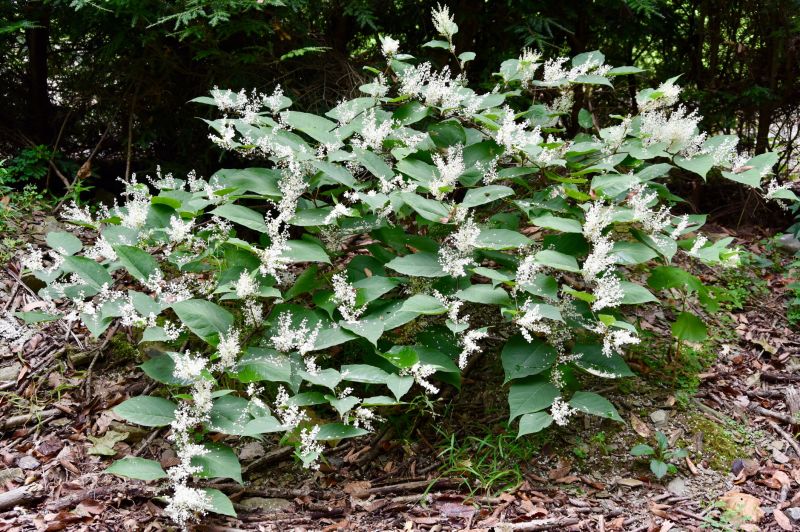
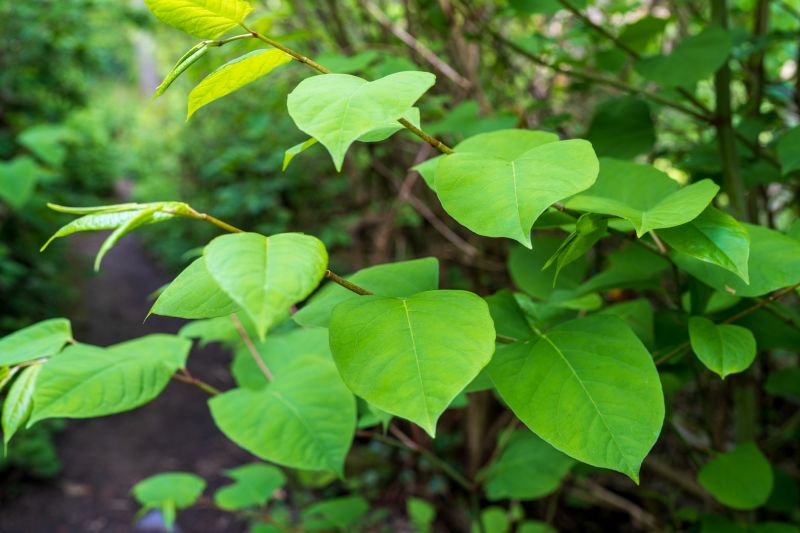
In Greenwich, CT, property owners often seek invasive plant removal services when unwanted species start taking over lawns, gardens, or wooded areas. Overgrown plants like Japanese knotweed or invasive honeysuckle can quickly spread, crowding out native plants and disrupting the natural landscape. Homeowners and landowners may notice these plants encroaching on walkways, blocking views, or damaging existing plantings, prompting them to look for local contractors experienced in invasive species management.
Additionally, invasive plants can pose challenges for maintaining a healthy and safe outdoor environment. They may interfere with existing landscaping, reduce usable outdoor space, or create hazards if they grow near pathways or structures. Property owners in Greenwich might contact local service providers to evaluate their land and remove invasive species, helping to restore their outdoor areas to a more desirable and manageable state.
What types of invasive plants can local contractors remove? They can handle a variety of invasive species such as Japanese knotweed, mile-a-minute, and purple loosestrife, among others common to Greenwich and nearby areas.
Are invasive plant removal services suitable for residential properties? Yes, local service providers often offer invasive plant removal for residential yards, gardens, and landscape areas to help restore native plant growth.
How do local contractors typically remove invasive plants? They may use methods like mechanical removal, herbicide application, or a combination of both, depending on the species and site conditions.
Can invasive plant removal help improve the health of my existing landscape? Yes, removing invasive plants can reduce competition for native plants and promote a healthier, more balanced landscape.
How do I find experienced contractors for invasive plant removal in my area? You can contact local service providers through a lead generation platform that connects homeowners with qualified contractors nearby.
Garden Restoration - Removing invasive plants can help restore native landscaping and improve the overall appearance of a yard. Local contractors can assist in clearing unwanted growth to create a healthier garden space.
Yard Cleanup - Clearing invasive species can make outdoor areas safer and more enjoyable for family activities or outdoor entertaining. Service providers can handle the removal to keep yards tidy and accessible.
Property Maintenance - Regular invasive plant removal can prevent overgrowth that may damage lawns or structures, helping to maintain property value and curb appeal. Local experts can provide ongoing removal services as part of maintenance routines.
Landscape Enhancement - Removing invasive plants can open up space for planting new flowers, shrubs, or trees, allowing for personalized landscape design. Local contractors can help create a more inviting and functional outdoor environment.
If you are thinking about Invasive Plant Removal for a property in Greenwich, CT, this guide is meant to help you understand the work, the typical project types, and how different options might fit your plans.
When you are ready, you can use the quote form on this page to share a few details about your project. From there, local pros can review the basics and respond with options that match what you have in mind.