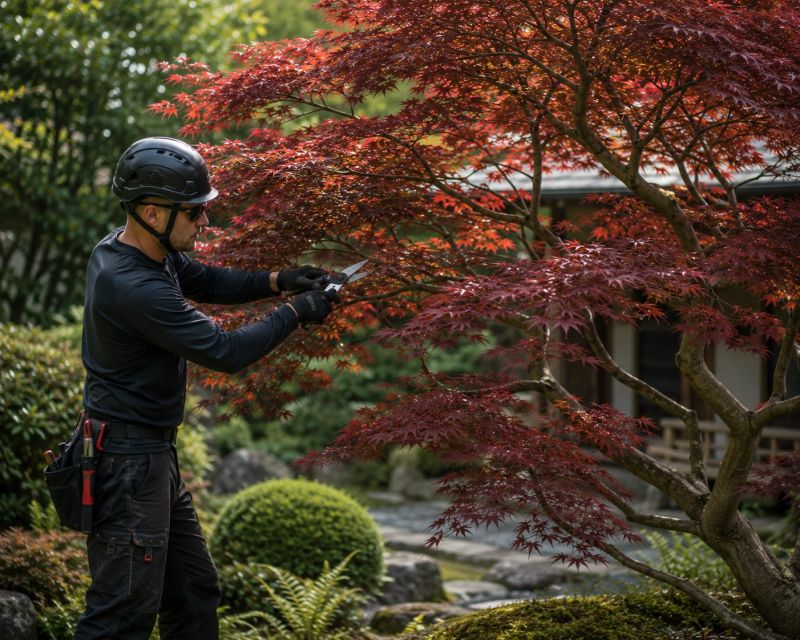
Japanese Maple Pruning in Pottstown, PA
Japanese Maple pruning services involve carefully trimming and shaping these distinctive trees to enhance their health, appearance, and growth patterns. This project typically includes removing dead or damaged branches, controlling size and shape, and encouraging vibrant foliage. Homeowners often request pruning to maintain the tree’s aesthetic appeal, prevent overgrowth that could interfere with structures or power lines, or promote healthy development. Before requesting pruning, property owners should consider the tree’s overall health, the desired size or shape, and whether any specific issues such as disease or storm damage need to be addressed.
Proper pruning can improve the structural integrity and visual appeal of Japanese Maples, making them a striking feature in residential landscapes. It’s important to understand the best timing for pruning, which usually occurs during late winter or early spring, to minimize stress on the tree. Homeowners should also consider the extent of pruning needed, whether it involves light trimming or more extensive shaping, and communicate their goals clearly. Clear understanding of these factors helps ensure the pruning process supports the tree’s health and complements the overall landscape design.
Many property owners in Pottstown, PA look into Japanese Maple Pruning for repairs, replacements, upgrades, and appearance-related improvements.
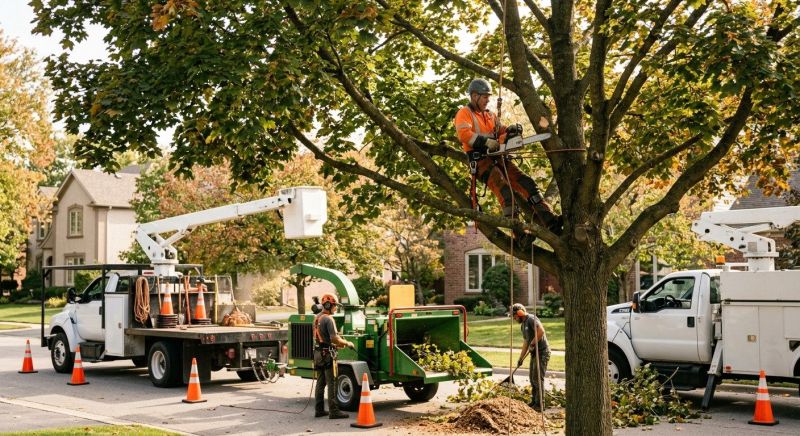
Enhancing Tree Health
Proper pruning promotes the vitality and longevity of japanese maples in pottstown landscapes.
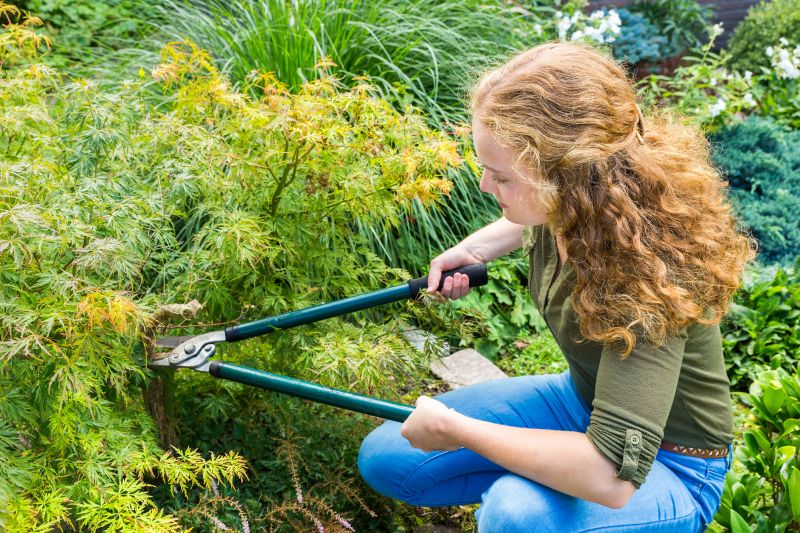
Aesthetic Tree Shaping
Pruning helps maintain an attractive shape and improves the overall appearance of japanese maples.
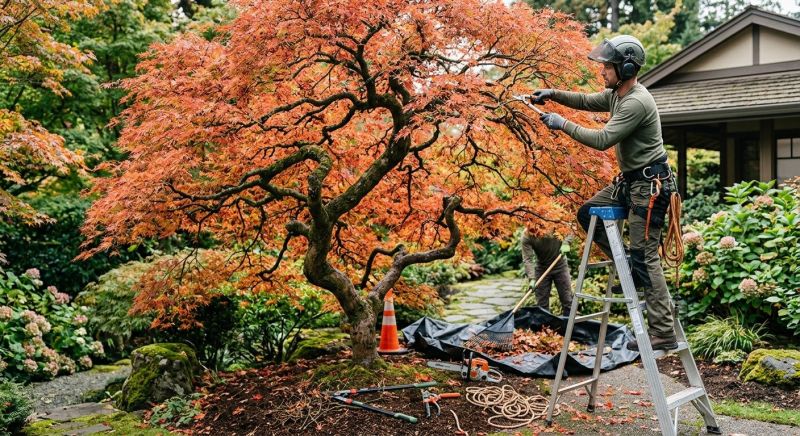
Safety And Property Protection
Regular trimming reduces hazards caused by falling branches and keeps walkways clear around homes in pottstown.
Japanese Maple Pruning in Pottstown, PA
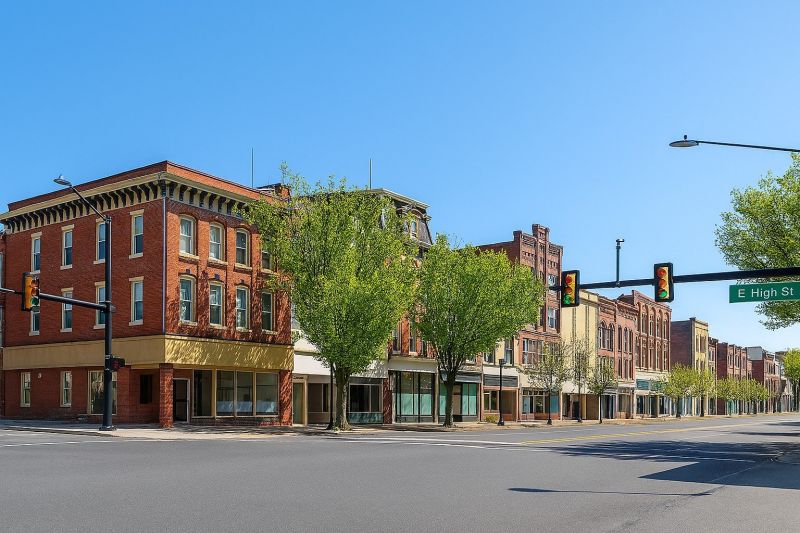
Japanese Maple pruning services involve carefully trimming and shaping these distinctive trees to enhance their health, appearance, and growth patterns. This project typically includes removing dead or damaged branches, controlling size and shape, and encouraging vibrant foliage. Homeowners often request pruning to maintain the tree’s aesthetic appeal, prevent overgrowth that could interfere with structures or power lines, or promote healthy development. Before requesting pruning, property owners should consider the tree’s overall health, the desired size or shape, and whether any specific issues such as disease or storm damage need to be addressed.
Proper pruning can improve the structural integrity and visual appeal of Japanese Maples, making them a striking feature in residential landscapes. It’s important to understand the best timing for pruning, which usually occurs during late winter or early spring, to minimize stress on the tree. Homeowners should also consider the extent of pruning needed, whether it involves light trimming or more extensive shaping, and communicate their goals clearly. Clear understanding of these factors helps ensure the pruning process supports the tree’s health and complements the overall landscape design.
Many property owners in Pottstown, PA look into Japanese Maple Pruning for repairs, replacements, upgrades, and appearance-related improvements.
Common Japanese Maple Pruning Jobs
Japanese Maple Pruning Services - shaping and trimming to maintain a healthy, attractive appearance.
Selective Pruning - removing dead or damaged branches to promote growth.
Thinning - reducing dense foliage for better air circulation and light penetration.
Structural Pruning - guiding branch development to prevent future issues and improve stability.
Seasonal Maintenance - adjusting pruning techniques based on the tree's growth cycle.
Overgrown Tree Care - reducing size and weight to prevent damage and improve safety.
Japanese Maple Pruning Questions
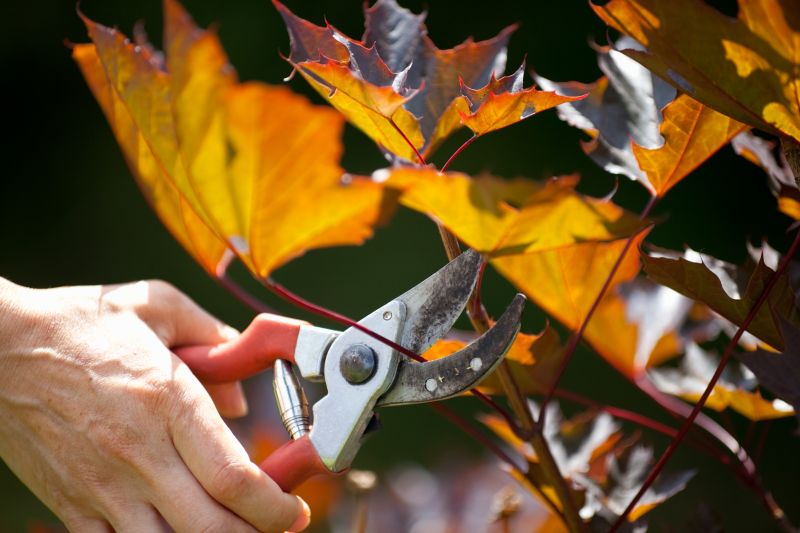
Why is pruning Japanese Maples important? Pruning helps maintain the tree’s shape, promotes healthy growth, and removes dead or damaged branches.
When is the best time to prune a Japanese Maple? The ideal time is late winter to early spring before new growth begins, ensuring minimal stress to the tree.
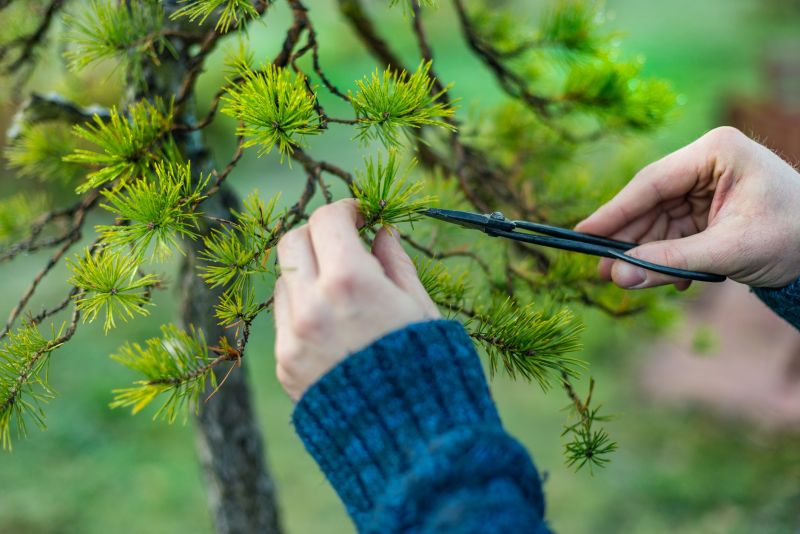
What techniques are used for Japanese Maple pruning? Techniques include thinning, heading back, and shaping to enhance appearance and health of the tree.
Can pruning improve the tree’s overall health? Yes, proper pruning reduces disease risk, improves airflow, and encourages vigorous growth.
Request Japanese Maple Pruning in Pottstown, PA
Use the quote form on this page to share the basics of your project and request more information for the type of work you need.